

It is likely that you have been very involved in arranging your child’s therapeutic support, including sending the initial email, talking to Ellie or one of the team about your concerns and attending the initial assessment.
Now that therapy is commencing parents often wonder what their role is. In fact, there are many things which parents can do to support their child or young person (CYP) to get the most out of therapy.
1. Bring them in and settle them
Why? This helps your child feel safe and calm. Working with a psychologist can feel daunting, so it is helpful for you to be there at the start.
2. Give an update
Some parents like to email an update, particularly if there is information they want to share but do not want their child to hear because it might make them feel embarrassed or upset. If there is lots you want to talk about, it may be worth booking an adults-only session
It is often helpful for the psychologist to talk with the child and their parents together at the start of the session, to get an update on activities since the previous meeting. If you are updating on any events or incidents, we would encourage you to think about what it will be like for your child hearing things talked about. Be supportive and understanding of your child and listen to the psychologists’ thoughts about any situation you share.
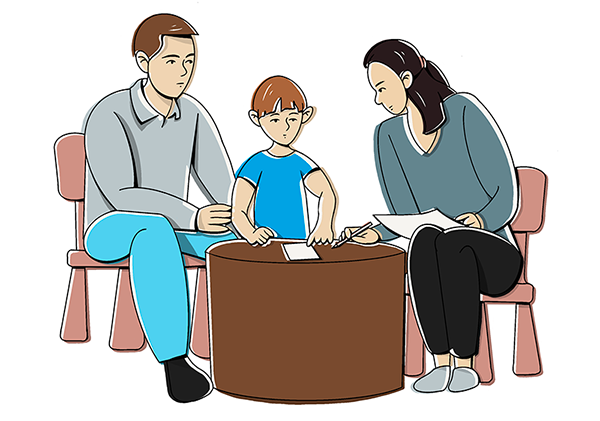
3. Stay in the session if it helps your child settle
Some young people need their parent to stay in the session so that they can feel emotionally regulated and therefore work with the psychologists. For others their parent being there makes things harder. We will discuss this with you at the start of the work and think with you and your child about what is best for everyone.
4. Come back about 10 minutes before the session ends
Coming back in before the end of the session allows you to hear what has been covered. This helps you understand the work the psychologist has been doing, and what your child has shared. You can also pick up on the language the psychologist is using and their way of explaining things, which will be helpful to use at home.
Sometimes discussions with your child in sessions are confidential. This will be explained at the start of your work with your psychologist. This may mean we do not share the entire content of the session with you at feedback time.
Sessions last 50 minutes, so your psychologist will let you know what time to return to get an update before the end of your slot.
5. Help them do their between-session tasks
Therapy is just 50 minutes a week (or less). This means that there are 167 other hours in the week. The between-session tasks are there to help your family bring the ideas from therapy into everyday life. We know from research studies that there are much greater gains in therapy if between session tasks are completed. So, remind your child about the task(s) they have been set, help them do the tasks if they want help and set aside time to do them. This might be whilst you are in the car somewhere, waiting in a queue or it might need some time at home sitting at a table. But equally tasks are not a battle ground. If they don’t want to do them, don’t make it a fight. We can talk about it all in the next session.
6. Keep talking to us
Finally, therapy works best when we all work together. We will be working hard to build a strong, respectful and safe relationship with your child. We would like to do the same with you too. When we are a team supporting your child, we have the best chance of helping with the issues which brought you to therapy. You have a rich and deep knowledge of your child. We bring expertise in mental health and wellbeing – both aspects help us do the best we can.
We also welcome and value feedback. Please let us know what is landing well and what needs more work. We will send out a questionnaire at the end of therapy, but please don’t wait until then if there is something you want to tell us.
